
A recent UN report reveals that terror groups like ISIL are increasingly using cryptocurrencies such as Monero for donations, leveraging the anonymity these digital assets provide. This analysis explores the implications of this trend for global security and the crypto market.
Points
- Terror groups like ISIL are using Monero for donations.
- Cryptocurrencies offer anonymity, making them attractive for illicit activities.
- Specialized crypto channels on Telegram guide supporters in using digital currencies.
- The rise in crypto use for terrorism financing poses challenges for authorities.
- Enhanced monitoring and regulation are necessary to combat this trend.
A recent United Nations Security Council report has revealed a troubling trend: terror groups, including ISIL, are increasingly turning to cryptocurrencies like Monero to finance their operations. This shift from traditional methods to digital currencies poses significant challenges for global security and the cryptocurrency market. Here’s an in-depth look at the findings and their implications.
The Shift to Cryptocurrencies
The UN report highlights that terror groups have established specialized channels on platforms like Telegram to guide supporters in acquiring and using specific digital currencies. ISIL has launched donation drives using QR codes linked to Monero wallets, leveraging the anonymity these privacy coins provide. Monero’s ability to obfuscate transaction details makes it particularly attractive for illicit activities, allowing terror groups to conduct fundraising campaigns that are difficult to trace.
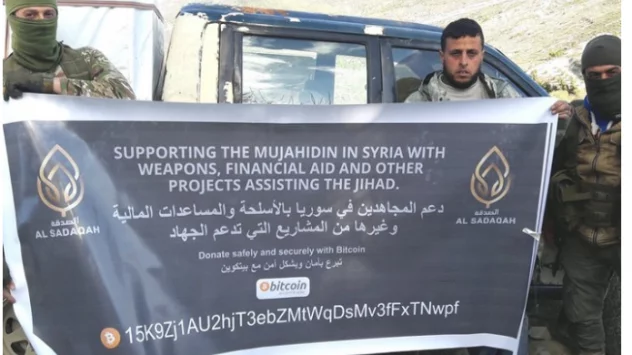
Crypto as a Tool for Terrorism Financing
The report details how ISIL and other terror groups prefer cryptocurrencies due to their ability to provide anonymity. Despite some exchanges delisting Monero, its use among terrorist organizations is on the rise. This expansion in digital methods for terrorism financing is a growing concern for Member States. The use of cryptocurrencies and online payment systems allows these groups to bypass traditional financial systems and make their transactions less susceptible to disruption.
Challenges for Authorities
The increasing use of cryptocurrencies for terrorism financing poses significant challenges for authorities worldwide. Traditional methods like cash couriers and hawala networks are being supplemented or replaced by digital currencies, making it more difficult to trace and intercept funds. Privacy coins like Monero exacerbate this issue, as their transactions are designed to be untraceable.
Implications for the Crypto Market
The involvement of terror groups in the cryptocurrency market can lead to increased scrutiny and regulation. Authorities may intensify their monitoring of major movements of assets linked to suspicious activities, impacting the overall market. The crypto community must be vigilant and proactive in ensuring that digital assets are not used for illicit purposes.
Conclusion
The UN Security Council report underscores the growing use of cryptocurrencies like Monero by terror groups for financing. This trend poses significant challenges for global security and the cryptocurrency market. Enhanced monitoring, regulation, and cooperation between governments and the crypto community are essential to combat this threat and ensure that digital currencies are used responsibly.
解説
- The increasing use of cryptocurrencies like Monero by terror groups for financing highlights the need for enhanced monitoring and regulation.
- Privacy coins’ ability to obfuscate transaction details makes them attractive for illicit activities, posing challenges for authorities.
- The shift to digital currencies for terrorism financing underscores the importance of international cooperation in combating this threat.
- The crypto community must take proactive steps to ensure digital assets are not used for illicit purposes.
- Understanding the implications of this trend can help inform policies and strategies to enhance global security and the integrity of the cryptocurrency market.